6 Editable Halloween KDP Notebook Covers: Creative Ideas
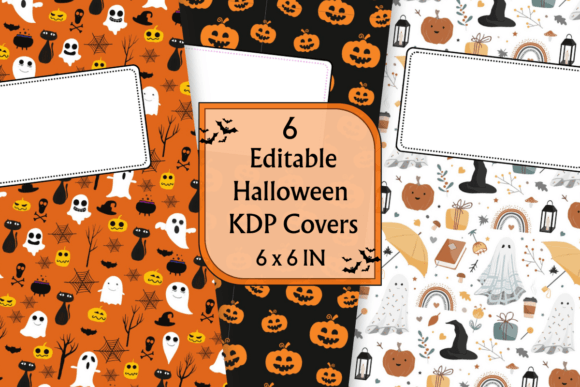
When you are building a low-content publishing catalog on Amazon KDP, the cover is the first and often loudest handshake you offer a potential buyer. A set of 6 editable Halloween KDP notebook covers gives you a smart shortcut — six professionally designed templates you can modify inside Canva, all pre-sized to 6×9 inches and built for a 120-page interior. This is not just a batch of spooky images. It is a flexible creative toolkit that can save hours of design guesswork, help you test multiple Halloween niches at once, and keep your seasonal launches feeling fresh without starting from scratch every time.
Included in each purchase is a streamlined package: a PDF file with the direct Canva link to access all six covers, a PNG file set of the covers, and print-ready PDF notebook covers that meet KDP specifications for a 120-page count. The only technical requirement is a free Canva account, which unlocks immediate editing. Once you open the template link, you can change every element — imagery, colors, fonts, layout — and then download the final cover as a print-quality PDF for direct upload.
Why a Set of Six Matters for Seasonal Publishing
A single Halloween cover can feel like a gamble. Six covers, however, let you experiment deliberately. Instead of guessing what will resonate, you can take an intentional approach: launch two or three different notebook styles in the same week and watch which designs earn clicks. You might discover that hand-lettered spooky quotes sell better than vintage horror illustrations, or that a minimal black-and-gold aesthetic appeals to an older planning audience while candy-corn colors attract a younger crowd. This pack reduces the friction of multi-design testing because all six templates share the same trim size and page count, so you can reuse the same interior manuscript across all variations.
Many KDP creators use seasonal content to build momentum before the holidays. With six covers, you can stagger releases throughout September and early October, creating a small collection that feels cohesive yet distinct. That collection can be marketed as a series, boosting visibility through also-bought algorithms and giving your author brand a recognizable shelf presence.
Creative Possibilities Beyond Basic Lined Notebooks
The templates themselves are starting points, not finished products. What you do with them depends entirely on the audience you want to serve. Thinking beyond a plain blank or lined journal can open up profitable micro-niches that attract buyers searching for very specific tools.
Spooky Recipe Keepers
Turn one cover into a Halloween recipe journal. Replace the default title with “Bewitching Family Recipes” or “Potion & Potluck Planner.” Pair the cover with a custom interior that includes ingredient lists, cooking times, and notes sections. This appeals to home cooks who love hosting Halloween parties and want a dedicated place to collect ghoulish appetizers and dessert ideas.
Ghost Story Writing Prompts
Writers and creative hobbyists snatch up guided prompt journals. Use a moody cover template and brand it as a 31-Day Ghost Story Challenge. Inside, add daily writing prompts — “A door that only opens on October nights,” “The voice in the static.” The cover sells the atmosphere; the themed interior delivers the utility. This can work well as a giftable item for teens and adults in writing groups.
Costume & Party Planning Organizers
Parents and event hosts often scramble each October. A planner notebook with sections for costume sketches, budget trackers, decoration lists, and trick-or-treat route maps turns a generic notebook into a functional lifesaver. With the editable Halloween covers, you can create a family-friendly design with playful pumpkins or a sleek, elegant look for adult costume ball planning.
Horror Movie Review Journals
Film buffs love trackers. Design a cover around “31 Nights of Horror” and build a simple interior where users log the movie title, scare rating, favorite kill, and rewatch potential. This kind of niche content often performs well with gift shoppers who know someone obsessed with horror cinema.
Mindfulness Meets Macabre
Self-care doesn’t shut down during spooky season. A gothic-style gratitude journal or a “Dark Moon Reflections” notebook can attract an audience that enjoys witchy wellness and introspective practices. Use deep purples, celestial motifs, and softened skull illustrations to communicate moody calm instead of cheap frights.
Adapting the Covers for Different Platforms and Purposes
While the immediate use case is KDP paperback notebooks, the PNG and editable PDF files open doors far beyond Amazon. Sellers on Etsy often use print-ready cover designs to create digital products: sell a Hyperlinked Halloween PDF planner directly, or bundle the cover with a matching interior and sell it as a complete commercial-use template kit. Coaches and content creators can repurpose a single cover as a lead magnet — a free “October Intention-Setting Workbook” that captures email subscribers.
Educators and homeschooling parents might print the covers for classroom activity booklets. A cover that reads “My Monster Research Journal” becomes a fun tool for a science or creative writing unit. Small business owners can use the templates to produce branded promotional notebooks for seasonal pop-up shops, adding their own logo and a subtle call-to-action inside.
The key is to see these six covers as adaptable assets. Because you edit in Canva, you are not locked into the exact Halloween theme. A cover featuring abstract autumn leaves can be recolored and rebranded for a general fall gratitude journal, effectively stretching the template’s lifespan beyond October.
Practical Design Tips When Editing in Canva
You do not need advanced graphic design skills to make these covers look custom and polished. A few deliberate steps keep everything print-ready and audience-friendly.
- Maintain the 6×9 proportions. The templates are already sized correctly, so avoid resizing the canvas. Instead, only adjust the elements within the safe area.
- Check font contrast. Spooky fonts can become illegible at small sizes. Test readability by zooming out or viewing on a mobile screen. Thick, bold lettering often works better for Halloween than overly ornate scripts.
- Use consistent color palettes. Pick two or three core colors and a metallic accent (gold, silver, or blood orange) to tie the series together or make a single cover pop against Amazon search results.
- Add subtle texture rather than clutter. A faint paper grain or a soft vignette effect can give digital flatness a tactile, premium feel without distracting from the title.
- Respect KDP’s print requirements. After editing, download your cover as a PDF Print file. The included ready-to-upload PDFs already meet these standards, but if you change elements significantly, double-check that your final file is in CMYK and has a resolution of at least 300 DPI.
Organizing Your Workflow for Six Covers at Once
Having six templates can feel overwhelming if you try to tackle them all in one sitting. A more effective approach is batch editing by element. First, go through all six covers and retitle them. Then do a pass where you adjust the tagline or subtitle placement. Follow that with a color-refinement pass. By focusing on one type of change at a time, you train your eye to spot inconsistencies and avoid repeating the same design on two different covers. This method also makes it easier to maintain a cohesive brand look if you plan to launch these as a series under the same publisher name.
Keep a simple tracking sheet. Note which cover you assign to which niche, what interior format you pair it with, and your target keyword phrase. This saves you from mixing up files when uploading multiple titles in quick succession and helps you analyze later which cover concepts drove the most organic traffic.
Who Benefits Most From This Kind of Template Pack
A wide range of creators and small business owners can find legitimate value in six editable Halloween covers. Freelance designers who offer KDP cover services can use these as a starting base for client projects, reducing turnaround time and allowing them to focus on custom illustration additions. Bloggers running October content challenges can create branded notebooks that reinforce their online presence — imagine a food blogger releasing a “Spooky Sweets Tasting Journal” with their website subtly noted on the interior.
First-time KDP publishers gain a low-risk entry point. Instead of hiring a designer or wrestling with Photoshop, they can learn the basics of cover editing inside Canva, see which design appeals to their taste, and publish within a weekend. The immediate availability of the PNG and PDF files means they can also experiment with different platforms, such as selling the covers as printables on Gumroad.
Physical product crafters — those who make handmade journals or notebooks for local markets — can print these covers at a print shop, bind them with their own interior paper, and create unique tactile items. The commercial-ready files give them a polished, repeatable look that would be costly to commission from scratch.
Keeping Results Clear and Audience-Friendly
Halloween covers walk a fine line between clever and confusing. A buyer should understand within two seconds what the notebook is for. If you are designing a guided journal, make the subtitle extremely obvious: “31 Days of Spooky Art Prompts — A Daily Creative Challenge.” If the cover art is heavily abstract, compensate with a very direct, readable title font. The best covers in this niche balance thematic curiosity with instant clarity. Before finalizing any edit, show the thumbnail to a friend and ask what they think the notebook is about. If they hesitate, simplify.
Originality matters even when you start with a template. Changing the font, swapping one background texture for another, and adding a unique subtitle immediately distances your version from anyone else who might purchase the same pack. Small custom touches — a faint silhouette of a local landmark turned into a haunted house, a culturally specific Halloween symbol — can make your notebook feel personal and increase its appeal to niche communities.
Pairing Covers With the Right Interior
The 120-page specification is intentional; KDP notebooks in the 6×9 format commonly use that page count as a sweet spot between thickness and cost. If you are designing interiors to match the covers, you can create a single clean interior file and reuse it across different covers as long as the content is lined, blank, or dot grid. For guided interiors, create a separate manuscript for each concept. Tools like Book Bolt, Tangent Templates, or even Canva itself can help you build a simple interior PDF. Always order a proof copy to check how the cover colors print on the actual matte or glossy finish you selected. A design that looks vibrant on screen might appear muddied in print without proper color profile adjustments.
Expanding Your Seasonal Reach
These six covers are not just for October. Many Halloween aesthetics — dark florals, celestial motifs, gothic typography — carry over into fall and winter niches. With minor edits, a haunted botanicals cover can become a general autumn journal. A tarot-inspired design can shift into a year-round reflection notebook. Thinking seasonally but designing evergreen lets you amortize your creative work and keep these covers earning beyond a single holiday rush.
When the Halloween season ends, review your sales data. Note which cover styles performed best and apply those insights to your next batch of templates — whether that means investing in more gothic designs for winter, or expanding into a full autumn harvest collection. The six-editable-cover model is not just a product; it’s a market research tool disguised as a design asset.
From spooky recipe logs to guided writing challenges, 6 editable Halloween KDP notebook covers equip you to move faster, test smarter, and serve readers something they genuinely want to pick up. With nothing more than a Canva account and a clear idea of your audience, you can transform a set of starting templates into an original, cohesive collection that stands up to the competitive Halloween publishing window.