Understanding the Travel Itinerary Planner Log Book as a Trip Organization Tool
Planning a trip often starts with excitement but can quickly become overwhelming when flight details, hotel reservations, activity schedules, and budget figures pile up across emails, notes apps, and scraps of paper. A Travel Itinerary Planner Log Book offers a single, structured place to bring all those moving pieces together. Unlike digital calendars or generic notebooks, this type of resource is purpose-built for travel organization, combining itinerary tracking, daily scheduling, and expense monitoring in one bound volume.
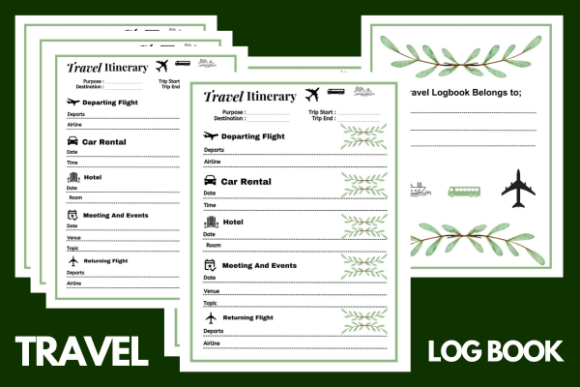
What sets a dedicated travel planner apart is the intentional layout. Each section typically prompts you to record specific details—departure times, confirmation numbers, contact information, and anticipated costs—rather than leaving you to figure out a structure on your own. For people who prefer writing things down or want a physical backup when Wi-Fi is unreliable, this format can fill a practical gap between fully digital and completely unstructured approaches.
How This Planner Differs from Digital Travel Apps
Many travelers default to apps like Google Trips, TripIt, or Notion templates for organizing their journeys. These tools automatically pull reservations from email inboxes or sync across devices, which is undeniably efficient. However, a physical Travel Itinerary Planner Log Book serves a different purpose. It does not need a charged battery, it works in areas with no signal, and it gives you a tangible record you can flip through months or years later.
The tradeoff is clear: digital tools automate data entry and offer real-time updates, while a printed planner requires manual writing but provides permanence and a more deliberate planning experience. Some travelers find that the act of handwriting reservations and plans helps them remember details better and notice scheduling conflicts earlier. Others value having a keepsake that captures not just logistics but also impressions, ticket stubs, and handwritten notes from the road.
Comparing Format Options: Printable vs. Bound Editions
Within the category of travel planning tools, the Travel Itinerary Planner Log Book comes in different delivery formats. Some versions are sold as pre-printed, spiral-bound books ready to ship. Others are offered as KDP (Kindle Direct Publishing) interiors, meaning the file is formatted for print-on-demand through Amazon's publishing platform. For buyers, this distinction matters primarily in terms of availability, cost, and customization.
A KDP interior means the planner was tested and formatted specifically to meet Amazon's print specifications, which can indicate consistent quality and reliable reproduction of the layout. When a product listing mentions editable and resizable PDF files—such as one sized at 8.5x11 inches with vector elements—it suggests the planner was designed with flexibility in mind. Users who want to adjust the size or make minor modifications before printing can do so using editing tools like Canva, which broadens the planner's usability beyond a single fixed format.
Strengths of a Structured Travel Organization System
One of the main reasons people choose a Travel Itinerary Planner Log Book over a blank journal is the guided structure. Instead of staring at an empty page wondering what to write, you encounter dedicated fields for each travel component. This guidance can be especially helpful for first-time travelers, people managing complex multi-city trips, or anyone who tends to overlook details like visa expiry dates or check-in times.
The integrated vacation budget organizer function addresses a common pain point. Many people track trip expenses separately from their itinerary, sometimes in a different app or spreadsheet. When spending information lives apart from the schedule, it is harder to see how splurging on an extra night at a hotel affects the overall plan. A combined log book makes budget monitoring a natural part of daily travel documentation rather than an afterthought.
Why a Physical Log Book Still Appeals
In an age of constant notifications and screen fatigue, writing by hand can feel like a break rather than a chore. A physical planner does not interrupt you with alerts, does not track your data, and does not require you to learn a new interface. For couples or families planning together, sitting down with a shared book can become a collaborative ritual that screen-based planning sometimes discourages.
The visual design of the interior also plays a role. When a planner is described as adorable or thoughtfully laid out, it tends to invite more consistent use. People are simply more likely to reach for a tool that feels pleasant to hold and write in. The availability of a Canva template for the PDF version adds another layer—users who enjoy customizing covers, color-coding sections, or adding personal touches can do so without starting from scratch.
Limitations and When a Different Approach Makes Sense
No single planning method fits every traveler. A Travel Itinerary Planner Log Book works best for trips where plans are relatively stable and you want a chronological, centralized record. However, if your travel style involves constant last-minute changes, spontaneous detours, or heavy reliance on real-time transit updates, a physical book may become frustrating to maintain. Pencil can help, but erasing and rewriting multiple entries across pages gets messy fast.
Travelers who need collaborative editing across multiple people in different locations will likely find digital shared documents more practical. A Google Doc or specialized trip-planning platform lets everyone add information simultaneously, which a single physical copy cannot do unless you are all in the same room. Similarly, those who depend on automated alerts for gate changes or flight delays would still need a digital companion alongside the planner.
Assessing Your Planning Habits
Before deciding whether this format suits you, consider how you naturally organize information. Do you enjoy the process of writing things down and checking items off a list? Do you find satisfaction in having a completed record after a trip concludes? If so, a structured travel log book aligns with those preferences. On the other hand, if writing feels tedious and you prefer voice commands and autofill features, the manual nature of the tool might become a barrier to actually using it.
The level of trip complexity also matters. A weekend getaway with one flight and one hotel reservation might not justify a full planner. But a two-week international trip with multiple accommodations, train bookings, tour reservations, and varying daily budgets benefits significantly from having everything in one organized place. The planner becomes more valuable as the number of moving parts increases.
Budget Tracking in Context
Many travel planners focus exclusively on the itinerary—where to go and when. The inclusion of a dedicated budget organizer section makes the Travel Itinerary Planner Log Book more comprehensive. Instead of guessing whether you stayed within your overall budget, you can track expenses category by category throughout the trip. This feature appeals to travelers who set firm spending limits or want to understand exactly where their money went after returning home.
Practical examples illustrate the value. Imagine booking a hotel that charges a resort fee not included in the initial rate. Without a budget tracker, that extra expense might slip by unnoticed. With a planner that prompts you to log each cost, you catch it immediately and adjust other spending accordingly. Over the course of a trip, these small adjustments can mean the difference between returning home within budget and facing an uncomfortable credit card statement.
Using the Planner as a Post-Trip Resource
A benefit that often goes unmentioned is the planner's role after the trip ends. Unlike digital tools that you might delete or forget about, a completed log book becomes a reference for future travel. You can look back at which hotels you liked, how much a particular activity cost, or what you wished you had packed. This retrospective value adds dimension beyond the immediate organizational function.
For people who travel frequently, building a shelf of completed planners creates a personal archive that no app notification can replicate. The tactile nature of flipping through past trips can inspire future ones and help you avoid repeating logistical mistakes.
Making the Right Choice for Your Travel Style
Choosing between a Travel Itinerary Planner Log Book, a digital app, a spreadsheet, or a simple notebook depends on several overlapping factors. Think about how you process information, whether you value physical records, and how much flexibility your typical trip requires. No single tool is universally superior, but understanding the tradeoffs helps you pick the one that matches your actual behavior rather than your idealized planning self.
For those who enjoy the planning phase as part of the vacation experience, having a dedicated book that combines itinerary building, journaling space, and budget tracking transforms what could feel like administrative work into something more engaging. The process of filling in each section becomes an extension of the trip itself, building anticipation before departure and preserving memories after returning home.
Practical Considerations for Different Trip Types
Short business trips might not warrant a full planner, especially if your company handles most bookings. However, a personal trip where you are managing every detail yourself makes the structure genuinely useful. Group trips, where one person often ends up as the unofficial coordinator, benefit from having all information in one portable format that can be passed around or referenced quickly during decision-making moments.
Solo travelers who value reflection often find the journaling aspect particularly meaningful. Writing down impressions, meals, conversations, and unexpected discoveries alongside the logistical details creates a richer record than dates and times alone could provide. This dual-purpose approach—practical organizer and personal journal—captures both the external journey and the internal one.
Understanding the Product Format and Flexibility
When a Travel Itinerary Planner Log Book is offered as a KDP interior with editable PDF files, buyers gain options that pre-printed books do not provide. The mention of vector-based, resizable elements at 8.5x11 inches with Canva template compatibility means you can adjust the layout to suit your preferences before printing. You are not locked into a single size or color scheme. For people who enjoy customizing their planning tools, this flexibility can make the difference between a generic purchase and something that feels personally tailored.
The KDP testing process also suggests the file meets Amazon's production standards, reducing the likelihood of formatting errors when printed on demand. For self-publishers or small business owners who want to offer a travel planner under their own brand, having an editable source file opens up possibilities beyond personal use. However, for the typical traveler simply looking for a reliable planning system, the ready-made version should work without any technical adjustments.
When Simplicity Wins
Sometimes the most effective tool is the one you will actually use. A beautifully designed planner filled with detailed prompts only works if you take the time to complete it. Before investing in any planning system, be honest about your habits. If carrying a physical book and writing in it daily feels natural, the structured approach of a travel log book will likely serve you well. If you know you will abandon it after day two, acknowledge that upfront and consider lighter alternatives.
The balance between structure and ease matters. The best planner provides enough guidance to keep you organized without demanding so much detail that filling it out becomes a chore. Look for layouts that hit this sweet spot—comprehensive but not overwhelming, attractive but not cluttered.
Final Considerations for Your Decision
A Travel Itinerary Planner Log Book occupies a useful middle ground between fully digital trip management and completely informal note-taking. It provides structure without rigidity, creates a tangible record that outlasts the trip itself, and combines multiple functions—scheduling, budgeting, journaling—into a single bound resource. Travelers who value intentional planning, enjoy handwriting, and want a backup to digital tools will find the format well-suited to their needs.
At the same time, those who prioritize automation, real-time updates, or collaborative planning may find a hybrid approach more practical—using a digital calendar for logistics and the physical planner for reflection and budgeting. Understanding your own travel patterns, planning tendencies, and what you find enjoyable about the process will guide you toward the right choice. The goal is to spend less energy juggling scattered information and more energy anticipating the experience ahead.