Understanding the Strategic Value of a Grade Tracker for KDP
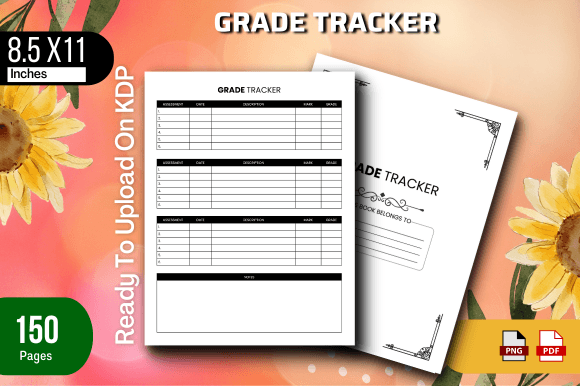
Most conversations about self-publishing focus on output—how fast you can produce, how many titles you can launch, how aggressively you can scale. But speed without clarity creates noise, not results. A Grade Tracker for KDP sits at the intersection of production and reflection, offering something the platform itself doesn't natively provide: a structured way to evaluate performance across multiple dimensions over time. It isn't just a spreadsheet or a list of numbers. It's a decision-making tool disguised as a simple tracker, and for the right person, it changes how they approach the entire publishing cycle.
What many creators miss is that Kindle Direct Publishing gives you surface-level metrics without connecting them to the deeper patterns that drive sustainable growth. Sales rank fluctuates. Reviews accumulate slowly. Royalty estimates shift. But none of that tells you whether a book is actually performing well against your objectives, not Amazon's algorithm. A well-designed grade tracker bridges that gap by letting you assign weight to what matters most to your publishing business, whether that's reader engagement, category positioning, profitability per title, or long-term catalog cohesion.
Why the Right Tracking Framework Matters More Than Raw Data
Data without interpretation is just noise. Most KDP authors glance at their dashboard, feel a brief emotional reaction to the numbers, and move on. That reactive pattern doesn't build expertise. A Grade Tracker for KDP forces a different rhythm—one where you record, reflect, and then decide. The physical act of grading a book's performance across criteria you've defined creates a pause between observation and action. That pause is where strategic thinking lives.
Consider the author who launches five books in a niche and judges success purely by royalties. They might abandon a title that's earning modestly but building an email list, or double down on a book that sold well during a temporary trend. Neither decision is informed. Now imagine that same author using a tracker that grades each title on revenue consistency, review velocity, also-bought relevance, and reader retention signals. The picture sharpens. They see which books are anchors and which are tourists. That clarity supports smarter resource allocation—where to spend advertising dollars, which series to extend, and which topics to revisit with updated editions or companion content.
How a Grade Tracker Supports Long-Term Publishing Goals
Publishing on KDP isn't a single event. It's a system. And systems need feedback loops to improve. A grade tracker functions as a lightweight feedback mechanism that compounds over months and years. When you grade a book quarterly, you start spotting patterns that quarterly royalty statements alone won't reveal. Maybe your how-to guides consistently score higher on reader satisfaction than your list-based titles. Maybe your fiction series sees grade slippage after book three, signaling a structural issue with pacing or character development that readers feel but rarely articulate in reviews.
This isn't about obsessing over vanity scores. It's about building an internal compass calibrated to your specific publishing philosophy. One creator might grade heavily on reader correspondence—how often people email or message after finishing a book. Another might prioritize production efficiency, grading titles on how quickly they reached profitability relative to time invested. Neither approach is wrong. Both become more powerful when tracked systematically rather than guessed at from memory.
Positioning Your Catalog with Intentional Evaluation Criteria
Most self-publishers think about positioning in terms of keywords and categories. Those matter, but they're input metrics. A Grade Tracker for KDP helps you evaluate outcomes. If a book consistently earns a low grade on "category relevance" despite strong sales, you might be attracting the wrong readers—people who buy, feel slightly misled, and never return to your catalog. That's a positioning problem hiding behind a revenue number. Without a grading framework, you might celebrate the sales while unknowingly damaging your author brand.
The tracker also reveals which books serve as effective entry points to your broader work. You can grade titles on their "funnel strength"—how often they lead readers to purchase additional books in your catalog. This metric matters enormously for series authors, nonfiction creators with multiple complementary titles, and anyone building a publishing imprint rather than a single book. Amazon won't calculate this for you, but a thoughtfully maintained tracker will surface it over time.
Practical Approaches to Using a Grade Tracker Without Overcomplication
Start simple. Choose three to five grading criteria that reflect your current priorities. For a new publisher, that might be: sales consistency, review quality, production cost recovery, and reader engagement signals. Rate each book on a simple scale—perhaps one to five—every month or quarter. The power isn't in the number itself but in the consistency of evaluation. Six months of consistent grading tells you more than two years of sporadic dashboard checks.
Resist the urge to grade everything at once. Overengineering a tracking system is a common trap. Some creators build elaborate scoring matrices with weighted categories and formula-driven calculations, only to abandon the process because it feels like administrative overhead rather than strategic insight. A Grade Tracker for KDP works best when it's light enough to maintain but structured enough to reveal shifts. If grading takes more than ten minutes per book, simplify.
When to Use a Grade Tracker and When to Step Back
Grading isn't always helpful. Brand-new titles need time to find their audience. Grading a book within its first thirty days often captures launch dynamics rather than sustainable performance. Most experienced publishers wait sixty to ninety days before assigning initial grades, allowing the algorithm to settle and reader behavior to normalize. Similarly, books in niche categories with inherently slow sales cycles might look weak on revenue-based criteria while quietly building authority and trust with a small, dedicated readership. Your grading framework needs to account for the actual business model of each title, not impose a one-size-fits-all standard.
There's also a psychological element. Some creators find that constant grading amplifies anxiety, making them second-guess creative decisions or chase metrics that don't reflect their deeper goals. If tracking leads to paralysis rather than clarity, step back. The tool serves you—not the other way around. Used well, a grade tracker reduces anxiety by replacing vague worry with specific, actionable information. Used poorly, it becomes another source of noise.
Making Better Decisions Across Your Publishing Portfolio
Portfolio thinking is where a grade tracker truly earns its place. Individual book performance matters, but the relationship between titles often matters more. A mid-grade performer that consistently introduces readers to your flagship series has strategic value beyond its royalty statement. A high-earning title that cannibalizes attention from your newer releases might be a net negative over time, especially if it anchors your brand to an outdated topic or style you've since evolved beyond.
By grading each title across consistent dimensions, you can map your catalog visually or conceptually. You'll see clusters—strong performers that feed each other, weak links that might need revision or retirement, gaps where a new title could bridge audiences. This perspective changes how you plan your publishing calendar. Instead of asking "What should I write next?" you start asking "What would raise the average grade of my catalog?" That's a fundamentally more strategic question.
Integration with Broader Business Operations
A Grade Tracker for KDP doesn't exist in isolation. The insights it generates should inform your content calendar, advertising strategy, and even your customer communication approach. When a title grades high on reader engagement but low on profitability, you might experiment with pricing or bundling rather than increasing ad spend. When a book grades high on conversion but low on review quality, you might audit the reader experience—are expectations set accurately in the description and cover design, or is there a mismatch creating disappointed buyers?
Marketing teams and virtual assistants also benefit from a shared grading framework. Instead of handing off vague instructions about "underperforming titles," you can point to specific criteria and scores. A book that grades low on visibility might need keyword optimization or category adjustments. A book that grades low on conversion might need cover testing or description refinement. The tracker creates a common vocabulary around performance, which sharpens collaboration and reduces miscommunication.
Potential Risks and Misunderstandings to Avoid
The biggest risk with any grading system is treating the grade as reality rather than representation. A score simplifies complex, multidimensional performance into a single indicator. That simplification is useful for comparison and pattern recognition, but dangerous when it becomes the only lens through which you view your work. Always return to the underlying data and, more importantly, to your own judgment. A book that grades poorly on your current criteria might be exactly the work you needed to create at that moment—for creative, personal, or strategic reasons that no tracker can capture.
Another risk involves grade inflation driven by ego. It's tempting to adjust criteria until your books look good, or to grade leniently because honest evaluation feels uncomfortable. Honest grading requires a degree of detachment from the emotional investment you've made in each project. If you can't grade honestly—if low scores feel like personal failure rather than useful information—consider whether someone else on your team should manage the tracking process, or whether you need to reframe your relationship with the data entirely.
Building Adaptable Systems That Evolve With Your Goals
Your grading criteria should change as your publishing business matures. An author in their first year might rightly prioritize production consistency and basic market validation. An author in year five, with a catalog of thirty titles and a growing audience, might care more about brand coherence, series completion rates, and lifetime customer value. Revisit your tracker's criteria at least annually. Ask: Are these still the right dimensions to measure? Am I grading based on what mattered last year or what matters now?
This adaptability keeps the tool relevant and prevents it from becoming a relic of a previous phase of your business. Many serious publishers adjust their grading frameworks seasonally—emphasizing different criteria during launch-heavy periods versus quieter catalog-maintenance months. The flexibility is a feature, not a flaw, as long as you maintain consistency within each evaluation period so that comparisons remain valid.
Who Benefits Most From This Approach
The obvious audience includes full-time KDP publishers managing multiple titles and needing portfolio-level clarity. But the approach also serves part-time creators, freelancers publishing educational content, and small business owners using books as lead generation tools. Even hobbyists who publish for personal satisfaction rather than income can benefit from the reflective practice that grading encourages—it turns publishing from a fire-and-forget activity into a learning process that deepens over time.
Professionals using books to establish authority—consultants, coaches, speakers—often find that a grade tracker reveals whether their published work actually supports their positioning. If the book that's supposed to demonstrate expertise grades low on reader trust signals or authority perception, that's a sign to revisit content, presentation, or distribution strategy. The tracker surfaces misalignments that might otherwise go unnoticed for years.
Moving Forward With Intentionality
No tool creates results on its own. A Grade Tracker for KDP is only as valuable as the clarity you bring to it and the actions you take based on what it reveals. Approach it as a thinking partner rather than a performance scoreboard. Let it challenge your assumptions, confirm your instincts, and occasionally surprise you with patterns you hadn't noticed. The publishers who get the most from this approach are the ones who use it consistently without becoming slaves to it—who grade, reflect, adjust, and then return to the creative work that started it all.
Remember that the goal isn't perfect grades across every criterion. A catalog with all high scores is probably a catalog that's been optimized for metrics rather than meaning. Some of your most important work may not grade well on conventional criteria, and some of your highest-grading titles may not be the work you're most proud of. Hold both truths. The tracker informs decisions; it doesn't make them for you. That distinction, fully understood, separates those who use tools strategically from those who get used by them.